
ABOUT OUR YEAR OF FROGS AND PONDLIFE
Welcome to the ponds project. This year, the Nature Action Plan plunges into the wonders of ponds, frogs, and the teeming world of pond residents. We encourage you to learn about the hidden treasures ponds offer to wildlife—delve in, get inspired, and ignite your curiosity.
We hope you feel inspired to create your own pond and witness its magic unfold. These pages offer basic information, along with pointers to more detailed resources elsewhere.
WHY PONDS ARE IMPORTANT
Knutsford sits in a special area known as the Meres and Mosses landscape, shaped by glaciers at the end of the Ice Age. This area features kettle-holes called meres, peat bogs known as mosses, and a diversity of scattered ponds. These features store carbon and provide unique habitats for wildlife.
After the Ice Age, people settled here and began using natural resources. Land drainage for agriculture and later urban development led to the loss of many important features in the area
Ponds have been hit especially hard. Recent studies of Cheshire maps show that more than 60% of ponds disappeared between 1870 and the 1990s. The main reasons are intensive farming, growing towns, and natural changes over time.
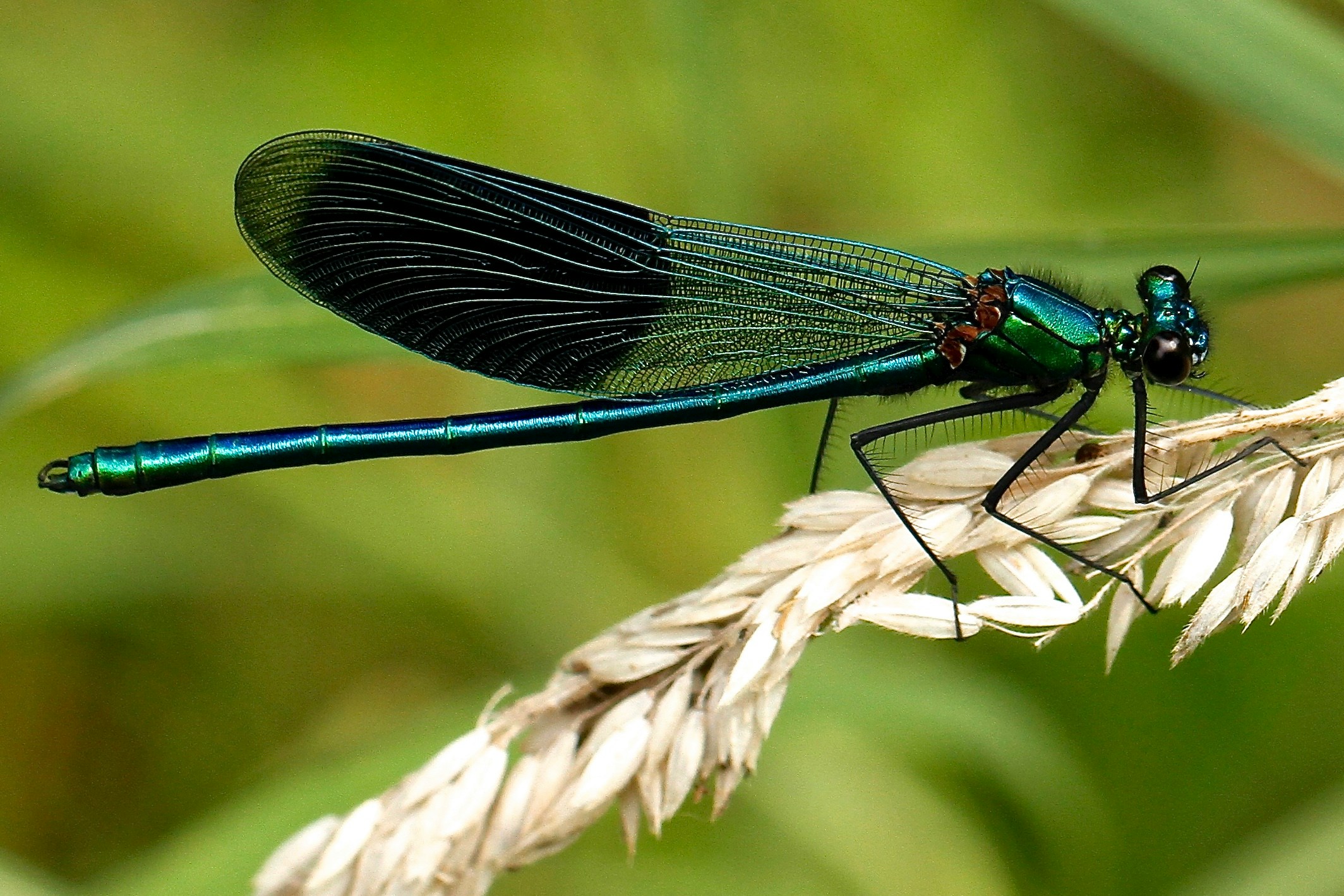
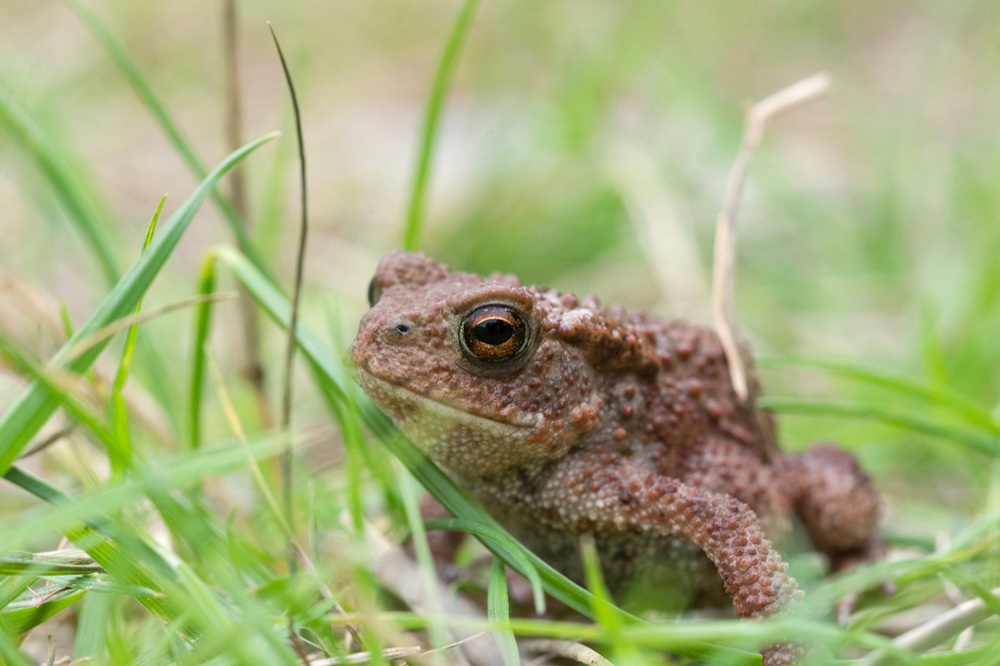
Ponds might seem small or unimportant, but they are some of the best places for wildlife. They support amphibians such as great crested newts and insects such as dragonflies and beetles. Ponds also help wildlife move across the landscape, reduce flooding, and store carbon.
Ponds do not need to be large; small, shallow ponds often have even more wildlife because many species prefer shallow water. However, there needs to be plenty of ponds in the area so that animals can move easily from one to another as their life cycles and the environment require. Having many ponds close together matters more than the size of each pond.
You can help bring back ponds by creating one in your neighbourhood. This will boost local wildlife and give you a front-row seat to nature.
CREATING A POND
Ponds can be small or large and any shape, so long as they hold water for an extended period throughout the year. A successful pond requires structural complexity. It should include a variety of depths to support a mixture of water plants and other wildlife. The deepest spot should be about 60 cm (knee-deep).
To make the pond accessible for wildlife, incorporate gentle slopes into the water and safe routes through the landscape. Consider adding a log pile or ‘wild’ areas nearby to provide a safe sanctuary for the creatures moving into or out of the pond. Create gaps in your boundaries to allow free movement for creatures such as frogs and hedgehogs. Furthermore, talk to your neighbours and encourage them to create their own ponds to make a neighbourhood network for the wildlife.
Consider where in your garden you could place your pond, given the available space. Placing it in full sun promotes plant growth but may make it too warm in summer, leading to rapid drying. Trees and shrubs provide shade, but autumn leaf-fall can fill the pond and choke it in a few years.
You may want to keep fish in the pond. However, fish prey on aquatic invertebrates and significantly reduce biodiversity.
You may also consider installing a pump and filter. However, they are only necessary in ornamental fish ponds to keep the water looking clean, where many fish live closely together and feed and excrete large amounts in a closed system.
A pond must hold water. Because most urban soils are well-drained, you are likely to need a liner of some sort to stop the water from seeping away. The two most common types are flexible synthetic liners and pre-cast plastic liners. The former is adaptable to any shape and durable, but prone to puncturing. Pre-cast plastic liners can be long lasting, but most are designed for fish not wildlife and don’t have a variety of depths and shallow access.
When planning a garden pond, two broad options to consider are patio ponds and classic garden ponds.
Plants will find their way into a pond naturally as seeds and leaf fragments. However, if you wish to speed up the colonisation or acquire particular plants, they can be sourced from reputable garden or aquatic centres. It is essential to plant only native plants, as they will best support native wildlife and some non-native pond plants are highly invasive, causing huge damage due to their proliferation in the wild – avoid them at all costs.
When planting, layer plants by water depth. Deep zones support submerged and floating plants, such as water milfoil and water lilies. Shallow zones suit plants such as water mint, brooklime, and bogbean. At the edges, choose moisture-loving plants like marsh marigold, lesser celandine, and purple loosestrife.
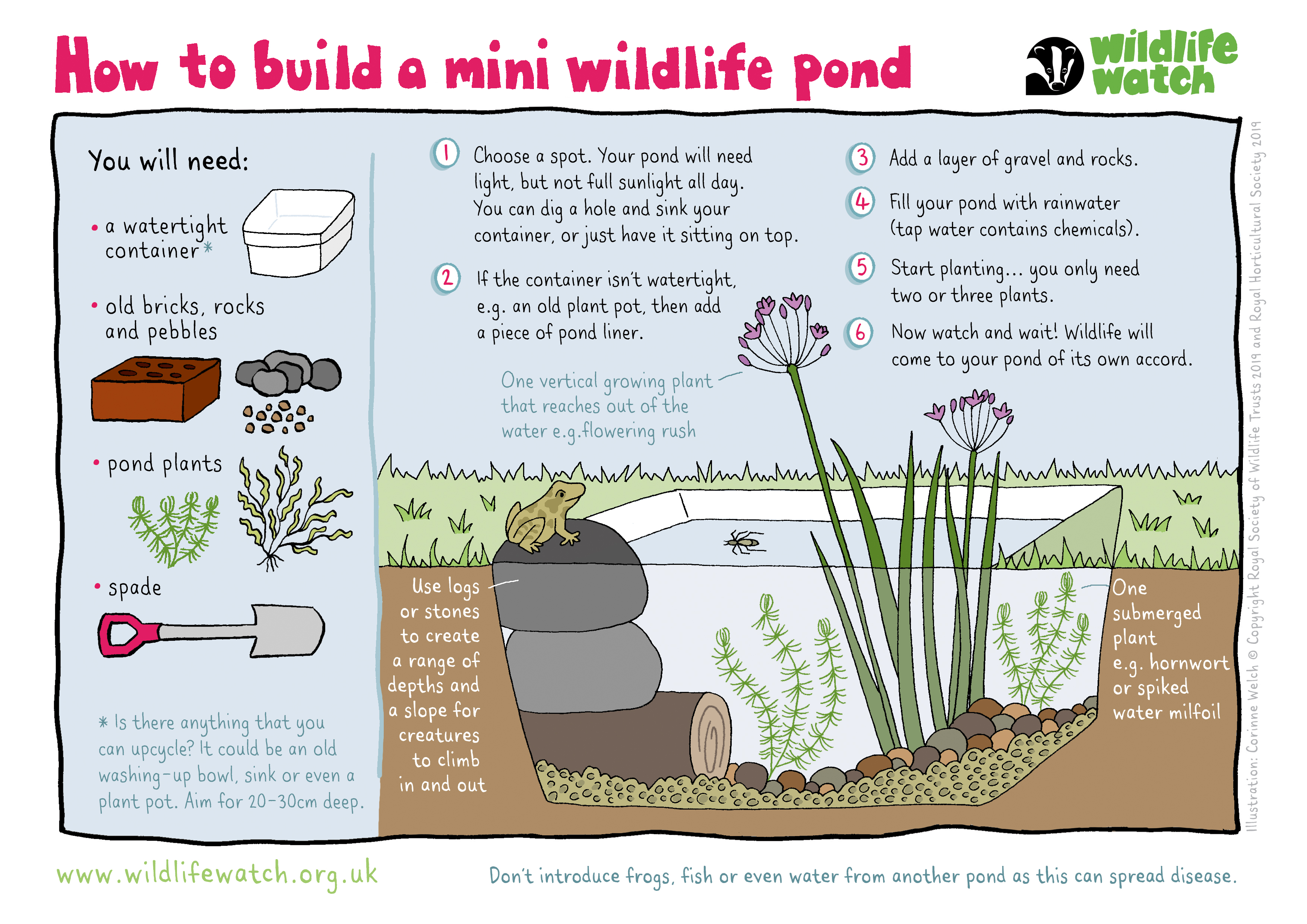
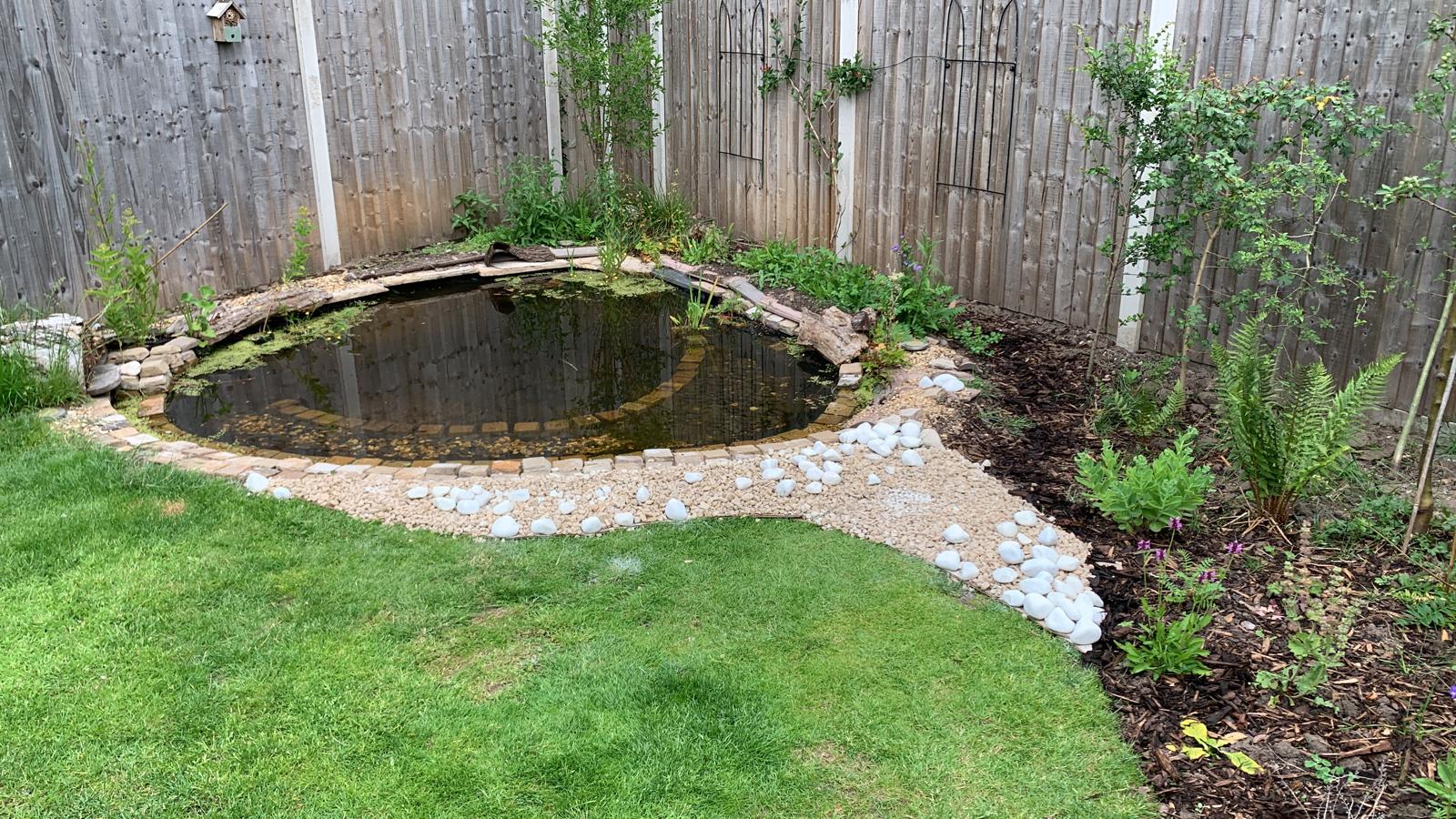
GARDEN POND
A garden pond is dug into the ground with a waterproof liner.
It needs to be no deeper than 60cm with shallow edges. Classically, garden ponds are kidney-shaped, but they can be any shape to suit the space available.
PATIO POND
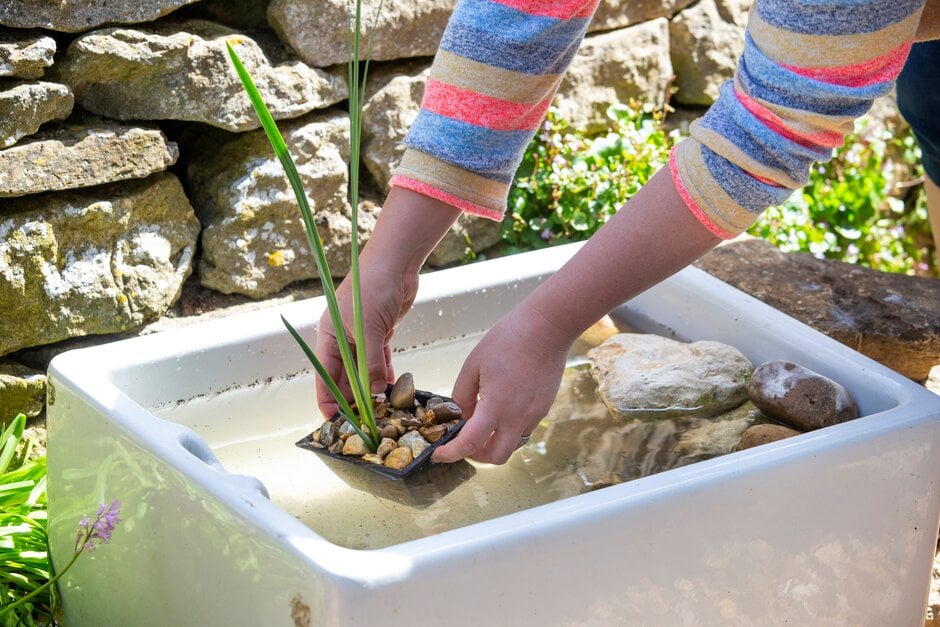
A patio pond typically is a raised structure, easy for people to observe and enjoy.
It might be a wooden half-barrel a stone or brick-built trough or an old sink.
A staircase or ramp should be provided to allow animals like frogs and hedgehogs to reach the water. Logs or stones can do the job well.
COMPETITION TIME
Winners will be announced at the Picnic in the Park event on 26 July 2026. Prizes will be given to the top three entries in each category.
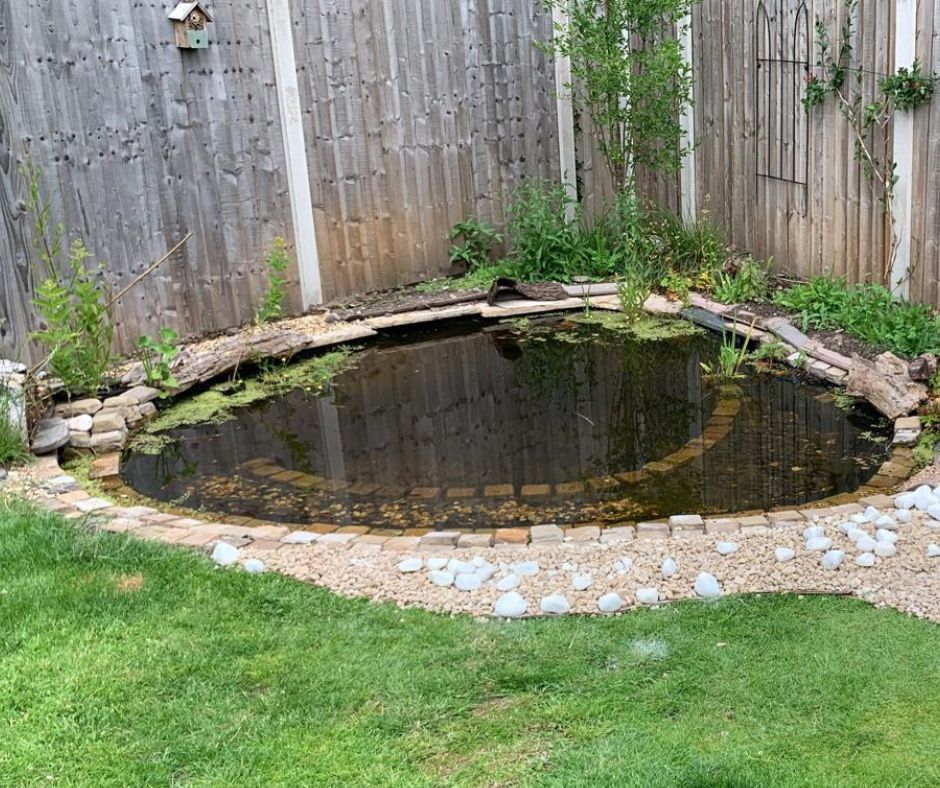
KNUTSFORD’S BEST PONDS COMPETITION
We invite you to unleash your creative skills and show off your established ponds in our Knutsford’s Best Ponds competition.
Winners will be announced during the Picnic in the Park event on 26th July , where 1st, 2nd, and 3rd place winners will receive their prizes. There are two categories – Best New Pond for ponds created in 2026, and Best Established Pond for ponds created pre 2026. Unleash your creativity and help the diverse nature of life in and around ponds through your project. We can’t wait to see your ponds!
Judging Criteria
Entries will be judged on three criteria:
- Value for wildlife – how the pond has been created and located to support wildlife
- Attractiveness – the overall visual attractiveness of the pond within its setting
- Sustainability – the use of recycled or sustainably sourced materials
Competition Rules
- Entry into the new ponds category is for ponds created in 2026.
- Ponds must be located within Knutsford
- Entrants may submit up to two ponds
- Entrant grants Knutsford Town Council permission to use their project for promotional purposes related to the Knutsford ponds project and other nature-related initiatives.
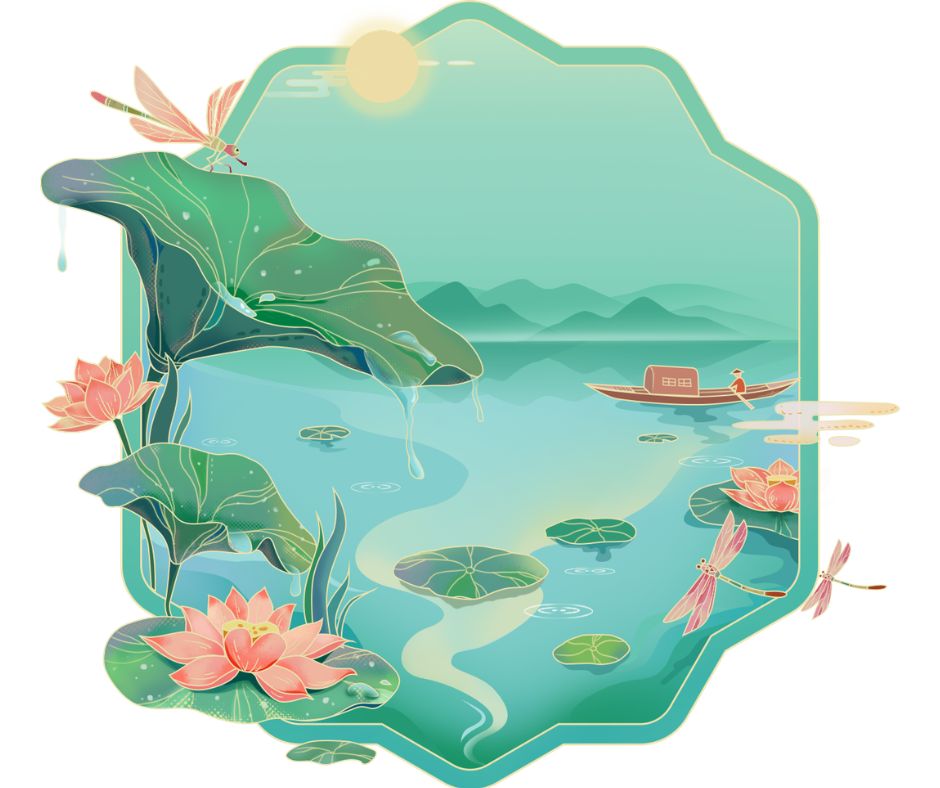
PONDLIFE ART COMPETITION
Show off your artistic skills in our pondlife art competition. Show us the beauty of ponds and the many forms of life in and around them through your art. Any kind of artwork can be entered into the competition, it just has to be pondlife – that could be a pond itself, or any of the animals that lives in or around the pond, including amphibians, insects, snails, larvae, eggs, and water plants.
There are two categories – Under 16s and Over 16s.
We look forward to seeing what you create.
Judging Criteria
- The main feature of the artwork must be the pondlife, which should be clearly visible.
- Context is important; the artwork should depict the pondlife within its environment.
- The artwork should create a strong visual impact.
How to Enter
- Deliver your entry to the Council Offices (Toft Road) by Tuesday 30th June 2026.
Competition Rules
- Artists must either reside in Knutsford or be registered at Knutsford school.
- Artwork should feature one or more pondlife subjects (e.g. frog, newt, dragonfly, water beetle, bee, tadpole) and include habitat.
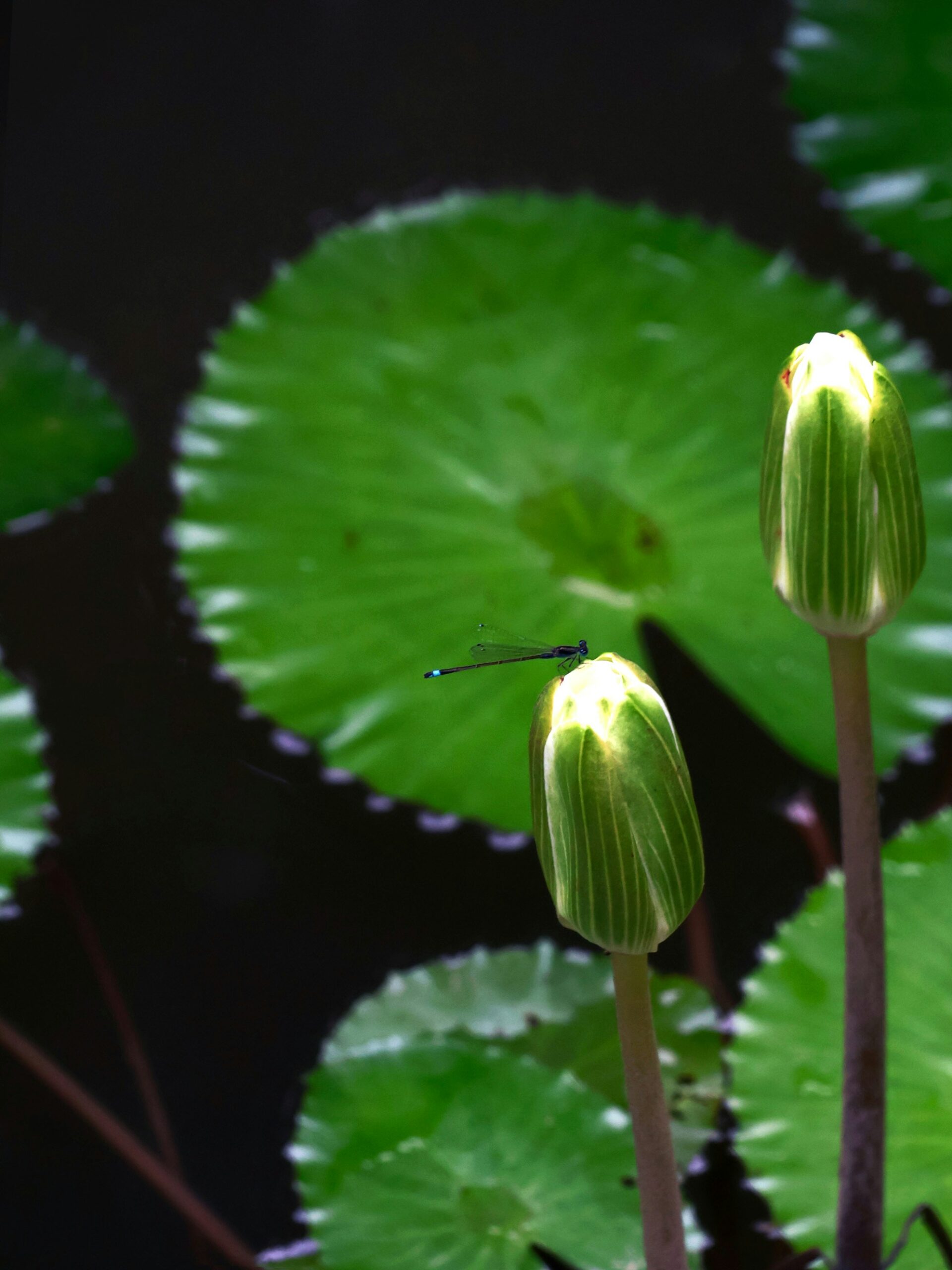
- Each piece of art must have an associated caption describing the subject; for example, “Dragonfly on a lily pad”.
- Each piece of artwork must be an original work created by the entrant for the competition
- Entrants may submit up to two pieces.
- The entrant grants Knutsford Town Council permission to use their artwork for promotional purposes related to the Pondlife project and other nature-related initiatives.