ABOUT THE KNUTSFORD BEE TRAIL
The Knutsford Bee Trail is a 5km walk connecting locations where bees and other pollinating insects thrive in our neighbourhood. The trail forms two loops from the Moor, going out to the Heath in the west, and St John’s Wood in the east. You can start the trail at any point, do it in small sections, or as one big nature walk! The bee trail is suitable for all ages.
We created this trail to raise awareness about the decline of bees and other pollinating insects, and the threats they face. It aims to champion the positive work happening in our town and encourage further efforts to restore nature at home and in the community.
Walking the Knutsford Bee Trail you’ll see examples of pollinator conservation in action, and get to enjoy some great community spaces too. You’ll also find info boards where you can learn fun facts and ways that you can support our pollinators.
On this page you’ll find out more about why we are doing this, and what you can do to help.


ABOUT OUR POLLINATORS
As part of our Nature Action Plan work we started to “investigate” the decline of bees and other pollinators nationwide. We wanted to understand what might be contributing to the decline, explore what we could do to increase and support bee and pollinator numbers in Knutsford and join up all the bee and pollinator friendly habitats in our town. Our aim is to improve understanding of the role of bees and pollinators in our environment and food system, to change harmful habits and inspire and encourage positive solutions.
There are over 1,500 species of pollinating insects in the UK – they fit into roughly six groups (beetles, bees, wasps, butterflies, moths and flies) of which bees are some of the most prolific! Pollinators play a critical role in our eco system. Whilst some flowers/crops are fertilised by the wind, most require something to get pollen from one flower to another in order produce their fruit, and this is where the bees and their friends come in. Without pollinators a huge amount of the food we rely on wouldn’t be available – including coffee and chocolate!

WHAT YOU CAN DO TO HELP
Supporting our pollinators is easier than you might think. Here’s some ways you can help:
- You can tell your family, friends and teachers about Knutsford Bee Trail and you can walk the trail with them
- You can leave some piles of leaves or twigs in your garden for bees and other pollinators to live
- You can plant some native wildflowers in your garden or at school
- You can leave a shallow dish of water with some stones in it for bees and other pollinators to access water safely
- You can avoid spraying chemicals onto your garden
- You can buy organic fruit and vegetables in our local shops
- You can bee untidy and leave an area or corner of your garden with longer grass, brambles, twigs for bees and pollinators to thrive
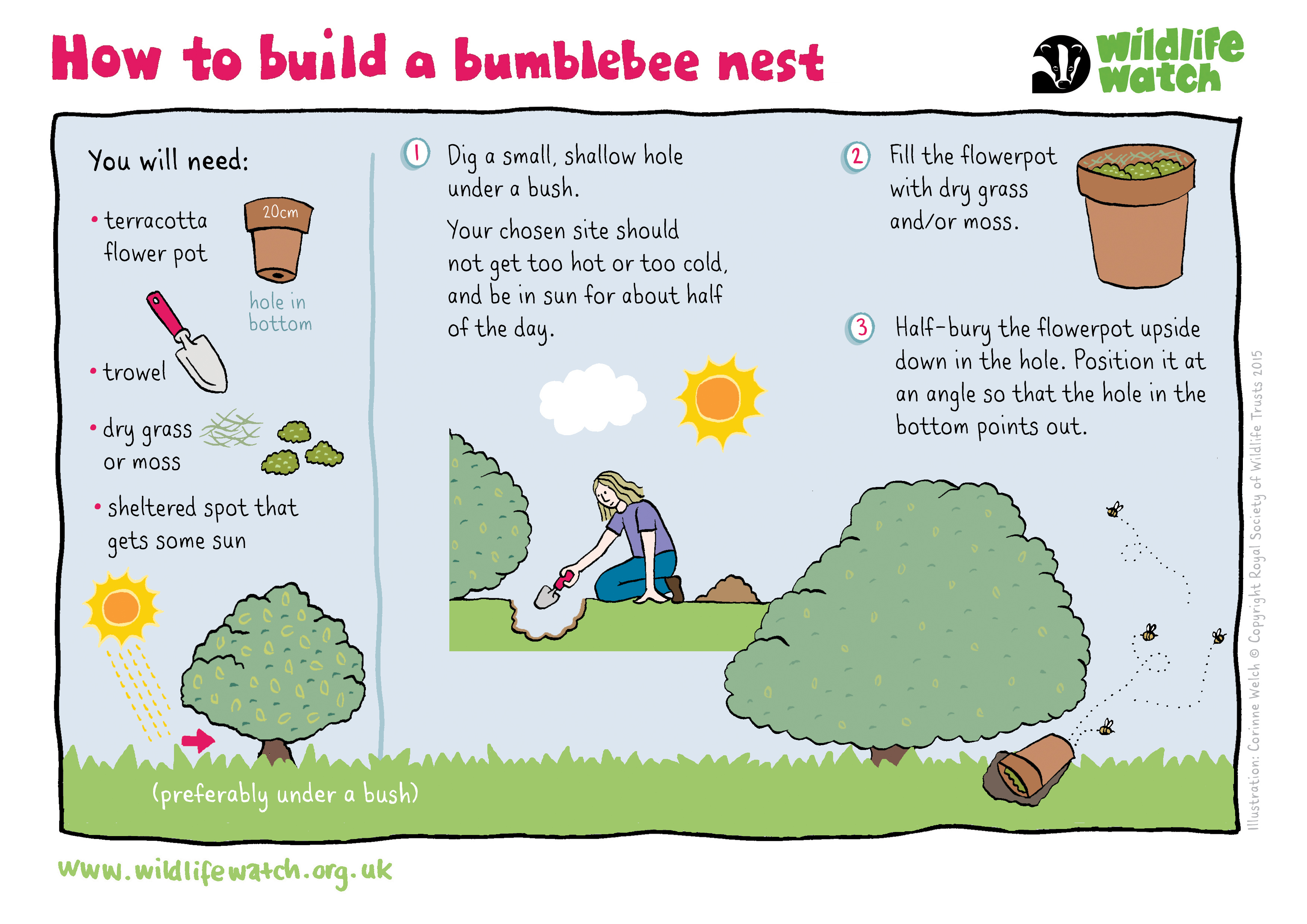
- You can buy or make some bee or insect boxes